The fascinating history of shoes is a journey that spans thousands of years, showcasing the evolution of footwear from simple protective gear to an emblem of fashion and social status.
Throughout history, shoes have played a vital role in various cultures, with significant advancements in design, materials, and technology shaping our modern understanding of this essential accessory.
You Are Watching: History Of Shoes: From the Caveman to the Catwalk Updated 04/2024
In this blog post, we’ll explore the captivating origins and development of different styles as well as delve into iconic brands that have left their mark on the world’s shoe industry.
Key Takeaways
- Shoes have been an essential part of human culture for thousands of years, serving both practical and symbolic purposes.
- The Industrial Revolution revolutionized shoemaking, making shoes more affordable and accessible than ever before through mass production technologies.
- Iconic shoe styles and brands have emerged throughout history, with famous designers like Christian Louboutin leaving a lasting impact on fashion. Popular shoe styles include sneakers, sandals, boots, loafers, high heels, and ballet flats.
Shoes In Ancient Times

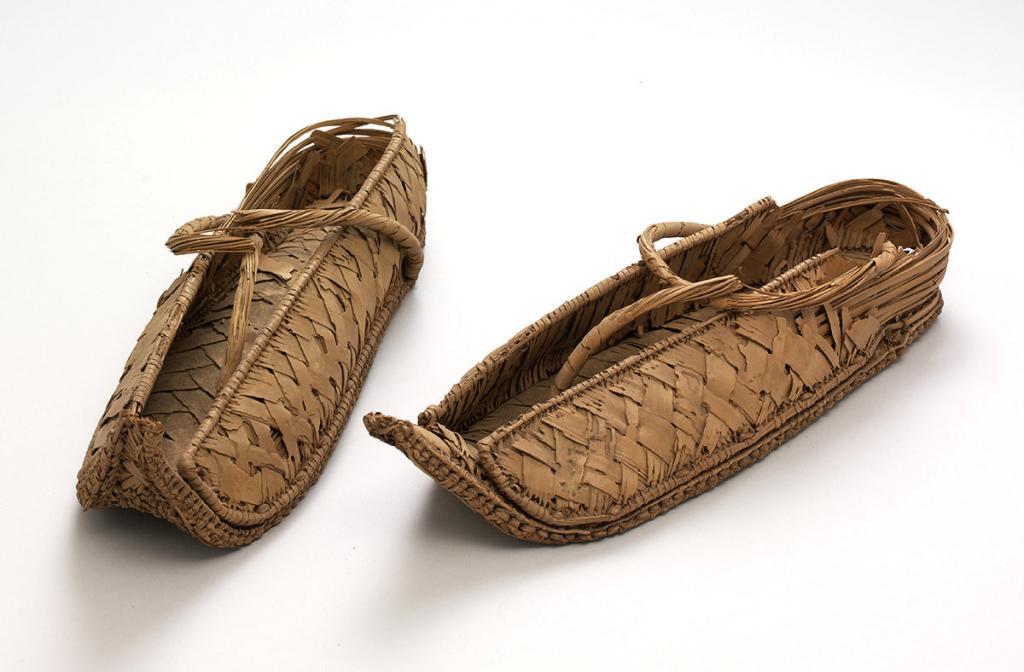
Footwear in prehistoric times was made from animal hides and resembled sandals, while Egyptian sandals were made primarily of woven reeds or papyrus.
Footwear In Prehistoric Times
Footwear in prehistoric times remains somewhat of a mystery due to the limited evidence available. However, it is estimated that shoes were worn as early as 42,000 years ago, with archaeological findings providing glimpses into the evolution of footwear and its importance for our ancestors.
As we delve deeper into prehistoric fashion, wooden foot-shaped blocks discovered in Neolithic excavations suggest that they were used to shape bast shoes. Anatomical changes in human feet also indicate that early humans may have been wearing some form of protective gear on their feet.
Neolithic footwear not only provided comfort and protection but was also symbolic within different cultures during this era. From Stone Age fashion to more intricate sandal designs found in ancient Egypt or Rome, it’s evident that humans have long understood the value and necessity of proper footwear attire throughout history.
Egyptian Sandals
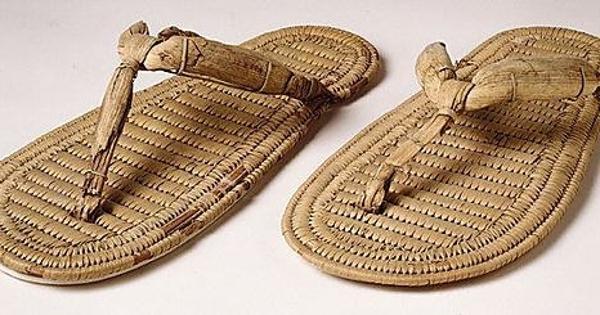
Egyptian sandals are a fascinating part of shoes in ancient times, showcasing simplistic yet elegant footwear designs that catered to various social classes. Made from diverse materials such as papyrus, leather, and wood, these practical sandals provided comfort and protection for Egyptians traversing the scorching desert sands.
Read More : On Cloud Shoes Vs Hoka Updated 04/2024
In addition to their everyday use, Egyptian sandals also held cultural significance within funeral customs. For example, golden thong sandals were placed on the feet of the deceased before burial as it was believed they would provide much-needed comfort in the afterlife.
This practice aptly demonstrates how these ancient sandals have played an essential role throughout different aspects of Egyptian culture. Meanwhile, Greek mythology recognized the iconic nature of such footwear by featuring Hermes – a revered god – wearing similar styles while carrying out his divine duties.
Roman Empire Shoes
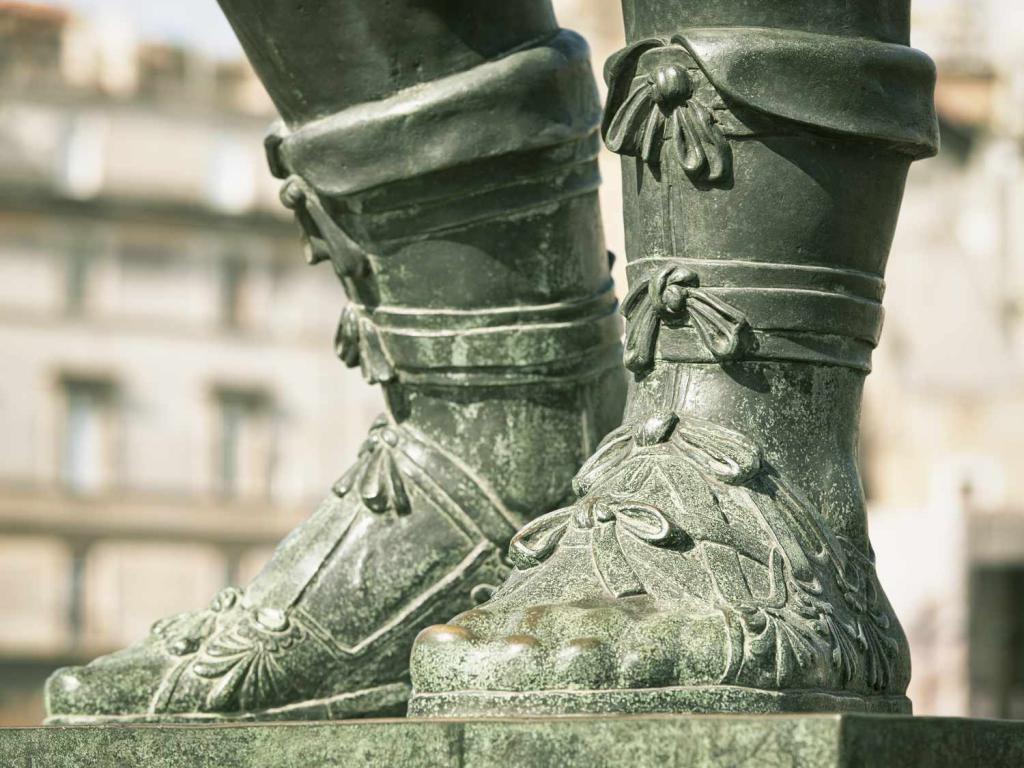
Roman Empire footwear displayed exceptional craftsmanship and variety, making them a prominent aspect of their society. From open-toed sandals to intricately designed boots, the flat-soled shoes showcased both style and functionality.
In ancient Roman culture, footwear served not only as protection but also as a visual indicator of one’s status. High-ranking citizens wore elaborately decorated calcei, while commoners donned simple sandals called solea or crepidae.
Soldiers had specific designs such as the caliga – durable hobnailed soles suited for long marches and harsh environments.
Shoes In Modern Times
The Industrial Revolution and mass production in the 19th century led to a significant increase in the availability of footwear, making shoes more affordable and accessible than ever before.
Industrial Revolution And Mass Production
The Industrial Revolution brought significant changes to the shoe industry, making footwear more accessible and affordable than ever before. Before this era, shoes were handmade in small workshops by skilled craftsmen.
One important figure who helped shape mass production in the footwear industry was Jan Ernst Matzeliger. In 1883 he invented an automatic method for lasting shoes that revolutionized shoemaking forever.
Thanks to industrialization and division of labor during this era, various levels of affluence could now afford high-quality leather or synthetic boots suitable for different occasions based on their cost choices.
Overall, these developments led to increased production capacity while driving down costs.
Innovations In Design And Materials
Shoes have come a long way since their humble beginnings as simple foot coverings made from natural materials. Advancements in technology, fashion, and design have all played a role in the evolution of footwear.
Read More : How To Sew Pointe Shoes Updated 04/2024
Manufacturing processes have also revolutionized the shoe industry, allowing for greater precision and efficiency than ever before. The use of 3D printing in particular has opened up new opportunities for designers to create customized shoes tailored to an individual’s unique needs.
Iconic Shoe Styles And Brands
Famous designers and brands have left a significant impact on the shoe industry throughout history, with popular styles evolving through the ages. From high-end fashion houses to streetwear favorites, iconic footwear has become more than just an accessory – it’s a statement piece.
Famous Designers And Brands In History
Christian Louboutin is a luxury shoe designer famous for his red-soled shoes, and he opened his first store in Paris in 1992.
Manolo Blahnik’s stiletto designs became iconic during the 1970s, symbolizing the era’s sexiness with platform shoes and skin-tight bandage dresses.
Chanel’s interlocking C logo has become synonymous with luxury and elegance, cementing its place in the history of fashion.
Converse Chuck Taylor All Star sneakers have a history dating back to the basketball court, but they remain a staple in modern fashion.
New Balance has evolved from a commodity to a cultural icon with globally successful product ranges that include walking shoes and running clothing.
Popular Styles Through The Ages
Shoe styles have evolved over the centuries, but some have remained popular and iconic. Here are some popular shoe styles that have stood the test of time:
- Sneakers: Once just for athletic purposes, sneakers have become a staple in casual fashion. From classic canvas to modern knit materials, there’s a sneaker for every occasion.
- Sandals: A timeless summer shoe, sandals date back to ancient civilizations. From gladiator-inspired lace-ups to strappy flats, sandals can be dressed up or down.
- Boots: Originally worn by soldiers and peasants alike in the Middle Ages, boots have come a long way in design and function. From ankle booties to knee-high riding boots, they’re practical and fashionable.
- Loafers: Originally designed for men as a slip-on dress shoe, loafers have evolved into versatile footwear for both men and women. From classic leather to trendy embellishments, they can be dressed up or down.
- High Heels: The epitome of feminine footwear, high heels have been around since the 17th century when they were designed for men before transitioning to women’s fashion in the 1900s. From stilettos to block heels, high heels remain a stylish choice today.
- Ballet Flats: Classic and comfortable, ballet flats were originally designed for dancers in the 1800s before becoming a chic footwear option for women today.
As technology advances and new materials are developed, we may see new styles emerge while old ones remain relevant through history’s influence on fashion trends.
Conclusion
In conclusion, the history of shoes is a fascinating subject that spans back to ancient times. From early prehistoric foot coverings to modern-day innovations in design and materials, footwear has always played a significant role in our society.
Iconic shoe styles and brands have emerged throughout history, each with its unique story and impact on fashion and culture. From Nike’s excellence in running shoes to Italian leather shoes’ rich tradition dating back to the Renaissance period.
Even today, trends continue to emerge in the shoe industry for various types like athletic shoes, sneakers, fashion footwear- all driving innovation forward while maintaining high standards of style and quality.
Sources: https://www.centuryinshoes.com
Category: Shoes